- Home >
- Our Ideas

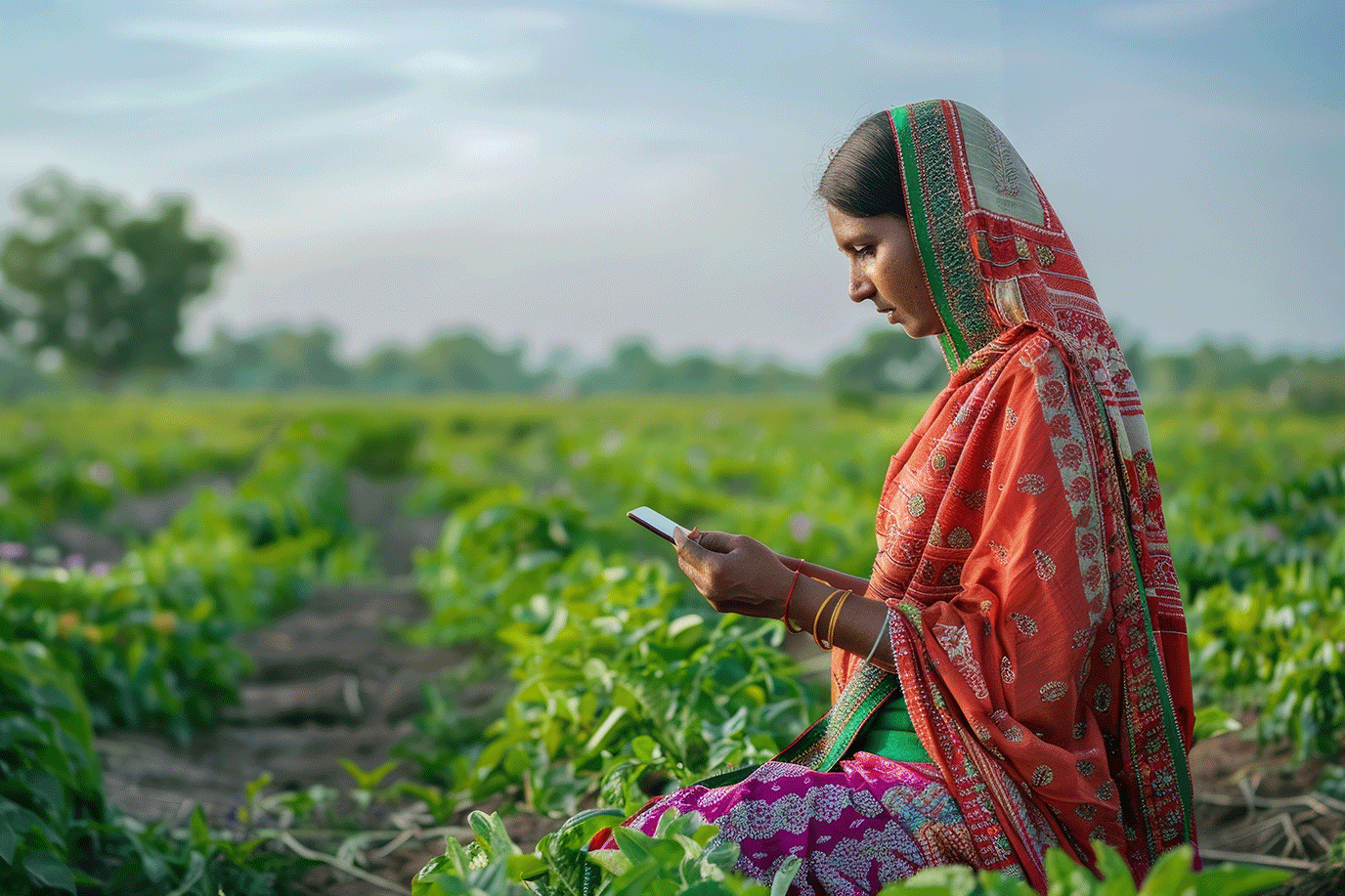
A potter in Rajasthan receives an order notification on her phone. She packs the product herself, ships it directly to a customer in Bengaluru, and gets paid without a middleman taking the largest cut.
Five years ago, that would have sounded unlikely. Today, it is increasingly possible because of the rise of CSR and rural digital marketplaces -initiatives that are helping rural producers access markets that once felt completely out of reach.
And the shift is bigger than commerce alone. It is about visibility, dignity, and participation in an economy that rural communities have often been excluded from.
India’s villages produce extraordinary things such as handwoven textiles, indigenous crafts, farm products, natural foods, and local art forms.
But most rural producers remain invisible outside their districts. The real challenge is not only logistics — it is access and discoverability.
Traditional supply chains have historically favoured intermediaries, leaving producers with the smallest share of value. This is where rural digital marketplaces are beginning to change the equation.
By connecting sellers directly with buyers, these platforms are creating new opportunities for income, independence, and scale.
At the centre of this shift is a growing realisation: CSR for rural development does not always need to look like charity. Sometimes, it looks like market access.
Unlike many large systems, CSR initiatives can move faster, experiment more freely, and invest in long-term ecosystem building. That flexibility matters.
Many companies already depend on rural economies through sourcing, agriculture, or artisan networks. Supporting connecting rural producers to consumers is therefore not only socially meaningful -it is economically sensible too.
● Digital access
Devices, internet connectivity, and platform onboarding remain the first barrier in many regions.
● Skills and confidence
True digital inclusion in rural India is not just about smartphones. It also requires digital literacy for rural communities -helping producers understand pricing, payments, online trust, and customer interaction.
● Local-language usability
Platforms designed only in English automatically exclude millions. Effective artisan marketplace platforms need interfaces that work in Hindi, Tamil, Odia, and other regional languages.
Urban buying behavior is changing quietly. More consumers now want authenticity, traceability, and ethically sourced products. They want to know who made the item, where it came from, and what story exists behind it.
That is why connecting rural artisans directly to urban consumers is becoming increasingly powerful.
CSR can play an important role here by supporting:
Product storytelling
Artisan branding
Farm-to-table narratives
Ethical sourcing campaigns
Certification and trust-building systems
This is where thoughtful CSR-driven market access initiatives create value on both sides of the marketplace.
Of course, this ecosystem is not perfect. Some of the biggest Challenges of building rural digital marketplaces include:
Inconsistent digital connectivity
Lack of long-term funding continuity
Quality consistency at scale
Continued dependency on external support
Low digital confidence despite access
That is why successful CSR initiatives for digital literacy and rural commerce must focus on sustainability rather than dependence. The goal should never be permanent handholding but self-sustaining participation.
At its best, the role of CSR in empowering rural producers through technology is not about creating dependence -it is about creating access.
Because when a weaver in Varanasi can decide her own pricing, speak directly to customers, and build an independent livelihood, something deeper changes than just income.
Confidence changes. Agency changes. And perhaps that is the real promise of how CSR supports rural digital marketplaces in India -not simply by funding platforms, but by helping rural communities participate in markets on more equal terms.
The best CSR initiatives do not stay at the centre forever. They build the bridge carefully enough that eventually, communities no longer need someone else to hold it up.


