- Home >
- Our Ideas

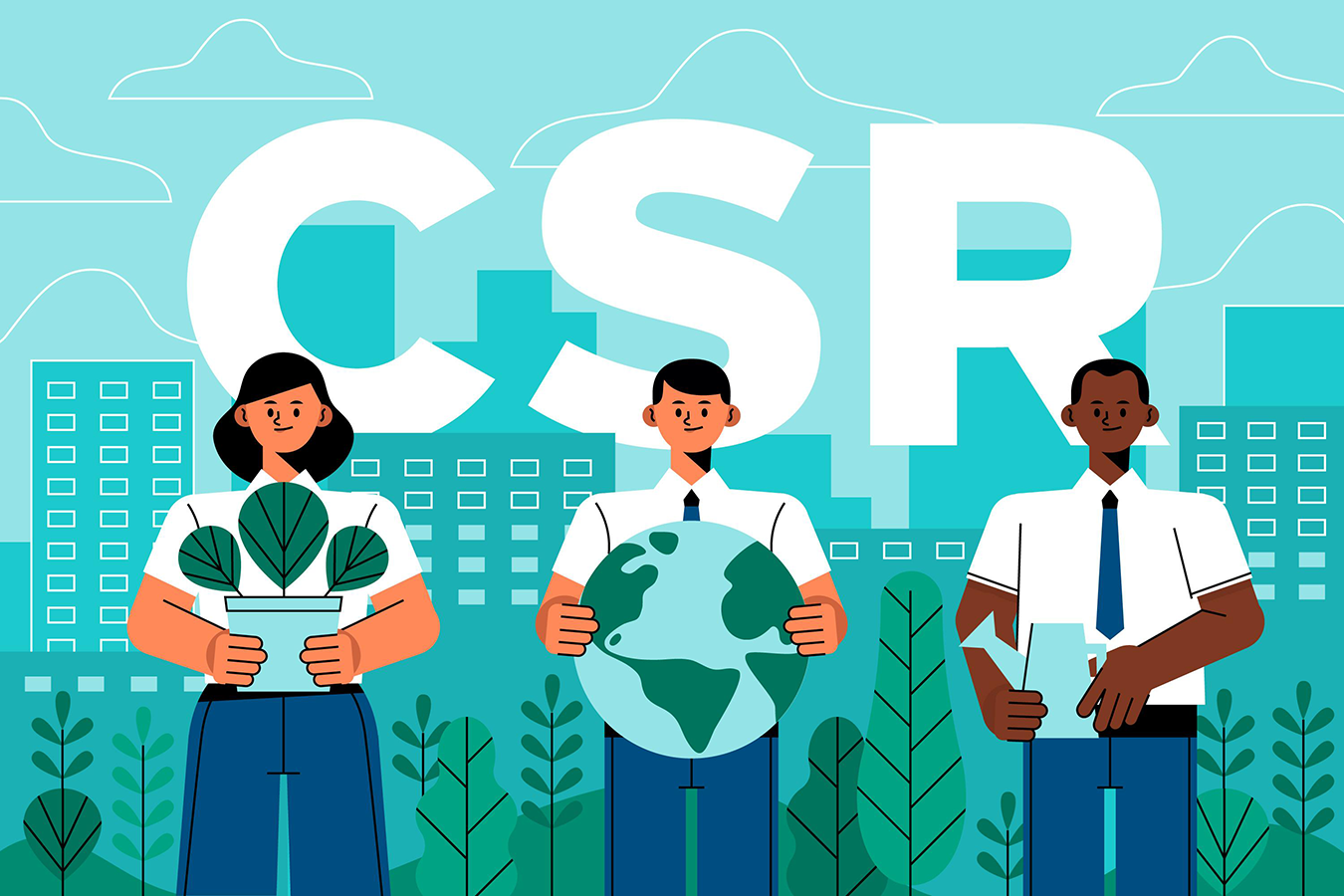
India is home to one of the largest adolescent populations in the world, presenting a powerful demographic opportunity. However, this potential remains underutilised due to persistent gaps between education and employability. While access to schooling has improved, many young people struggle to transition into meaningful work. CSR for adolescent development has emerged as a critical lever to support smoother education to employment transition pathways and strengthen India’s future workforce.
By aligning learning with real-world opportunities, CSR can play a transformative role in preparing adolescents for economic participation and long-term resilience.
Adolescents across India face a range of interconnected challenges that disrupt their pathways to employment. School dropouts, limited access to career guidance, and socio-economic pressures continue to affect learning outcomes. Gender norms and household responsibilities disproportionately impact girls, while youth from marginalised communities face restricted exposure to skills and opportunities.
A lack of practical and workplace-relevant exposure further weakens CSR and youth employability outcomes. According to UNICEF, adolescents often leave formal education without the life skills, confidence, or career clarity required to navigate employment pathways (UNICEF, Adolescent Development and Participation).
Traditional CSR efforts have largely focused on improving enrollment and infrastructure. While important, education alone does not guarantee employability. Academic learning often fails to address workplace expectations, digital literacy, or socio-emotional skills.
To truly address bridging the education employment gap, CSR must move beyond classrooms and adopt holistic approaches that support career readiness. This includes linking learning with skills, exposure, and real employment pathways-especially for adolescents nearing workforce entry.
Well-designed CSR initiatives can address these gaps through integrated interventions. Skill development for adolescents that combines technical training with life skills builds adaptability and confidence. Career awareness programs and mentoring help adolescents make informed choices and visualise viable futures, strengthening career guidance for youth in India.
Vocational training, apprenticeships, and internships supported through CSR and adolescent skilling initiatives offer practical exposure to work environments. These approaches are central to CSR initiatives for adolescent skill development and career readiness, enabling youth to move from learning to earning with greater confidence.
Adolescent development programs must be inclusive by design. Girls often face additional barriers such as early marriage, mobility constraints, and limited family support. Gender-responsive CSR programs engage families and communities to shift norms, while creating safe, accessible learning spaces.
Inclusive design ensures that CSR strategies for enabling smooth education to employment transitions reach those most at risk of being left behind.
Corporates bring industry insights, resources, and employee engagement, while NGOs offer community trust and on-ground expertise. Together, they can co-design demand-driven programs that align skills training with labour market needs. Employee mentoring and volunteering further strengthen CSR-led education programs, making learning more aspirational and relevant.
Such partnerships are essential to scaling impact and preparing adolescents for future workforce development.
Measuring success requires tracking more than participation numbers. Indicators such as skill readiness, confidence, aspirations, and job placement outcomes provide deeper insight into impact. Long-term tracking helps assess the role of CSR in bridging the education to employment gap in India and refine program design.
Investing in adolescents is an investment in India’s economic future. Through integrated, inclusive, and outcome-driven approaches, CSR can enable adolescents to transition successfully from education to employment. By focusing on skills, exposure, and confidence, CSR helps ensure that young people are not just educated—but prepared for the world of work.


