- Home >
- Our Ideas

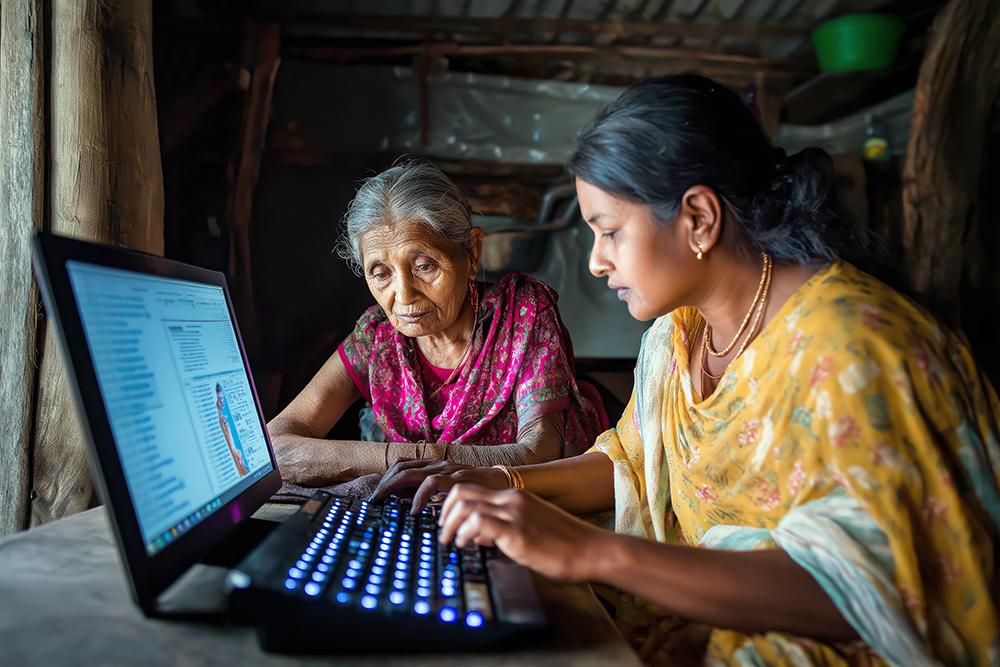
India’s elderly population is growing rapidly, yet a significant segment continues to remain digitally excluded. As digital platforms increasingly shape access to banking, healthcare, governance, and communication, many senior citizens struggle to participate leading to isolation, dependency, and heightened vulnerability. CSR for elderly digital inclusion offers a critical pathway to ensure older adults are not left behind in India’s digital transformation.
Only inclusive, impact-driven CSR initiatives for senior citizens can empower the elderly with the tools, skills, and confidence needed to engage meaningfully in the digital world.
Only inclusive, impact-driven CSR initiatives for senior citizens can empower the elderly with the tools, skills, and confidence needed to engage meaningfully in the digital world.
Digital inclusion for senior citizens goes far beyond providing devices. It involves building digital literacy, trust, and long-term confidence. Studies indicate that a majority of India’s elderly population lack basic digital or computer literacy. This gap restricts access to essential services such as telemedicine, digital payments, pension platforms, and e-governance systems.
Without targeted intervention, digital exclusion can deepen social and economic inequities among elderly populations.
Several barriers continue to limit digital adoption among seniors:
Limited technology access for older adults, including devices and connectivity
Low awareness of digital tools and online services
Fear of fraud, misinformation, and data misuse
Lack of sustained training, guidance, and handholding
Insights from institutions such as NITI Aayog underline how digital inequity among the elderly increases vulnerability. This presents a strong case for CSR for senior citizens to move beyond short-term interventions toward structured, long-term digital empowerment of elderly populations in India.
Corporates can play a transformative role in addressing these gaps through inclusive CSR strategies. When aligned with clear outcomes, CSR for elderly digital inclusion becomes a driver of equity rather than charity.
Key focus areas include expanding technology access for older adults through age-friendly devices and reliable connectivity, delivering digital literacy programmes for senior citizens that follow slow-paced, hands-on learning approaches, designing simplified digital interfaces with vernacular language support, and building awareness around online safety, fraud prevention, and digital hygiene. Together, these measures enable seniors to engage confidently, independently, and safely within the digital ecosystem.
To ensure lasting impact, CSR programmes for elderly digital inclusion should prioritise:
Access & Infrastructure
Devices, connectivity, and senior-friendly digital design to strengthen inclusion.
Capacity Building
Hands-on digital skills training for senior citizens, tailored to learning pace and comfort.
Safety & Trust
Education on online fraud prevention, secure digital behaviour, and data privacy.
Companies should design CSR programmes that make digital inclusion for senior citizens practical, dignified, and accessible. The approach must integrate technology access, guided training, and community-based learning models to ensure sustained outcomes.
By partnering with corporates, NGOs, and community centres, corporates can enable digital empowerment of elderly populations in India while aligning initiatives with broader ESG and social impact goals.
As India’s digital transformation accelerates, inclusion must extend meaningfully across generations. CSR for elderly digital inclusion offers organisations a vital opportunity to bridge the digital divide by enabling senior citizens with digital literacy, secure access, and the confidence to navigate essential services. When designed with empathy and a long-term vision, such initiatives can reduce isolation, improve wellbeing, and empower older adults to participate
actively in India’s growing digital economy—ensuring development that is inclusive, equitable, and sustainable.


