- Home >
- Our Ideas

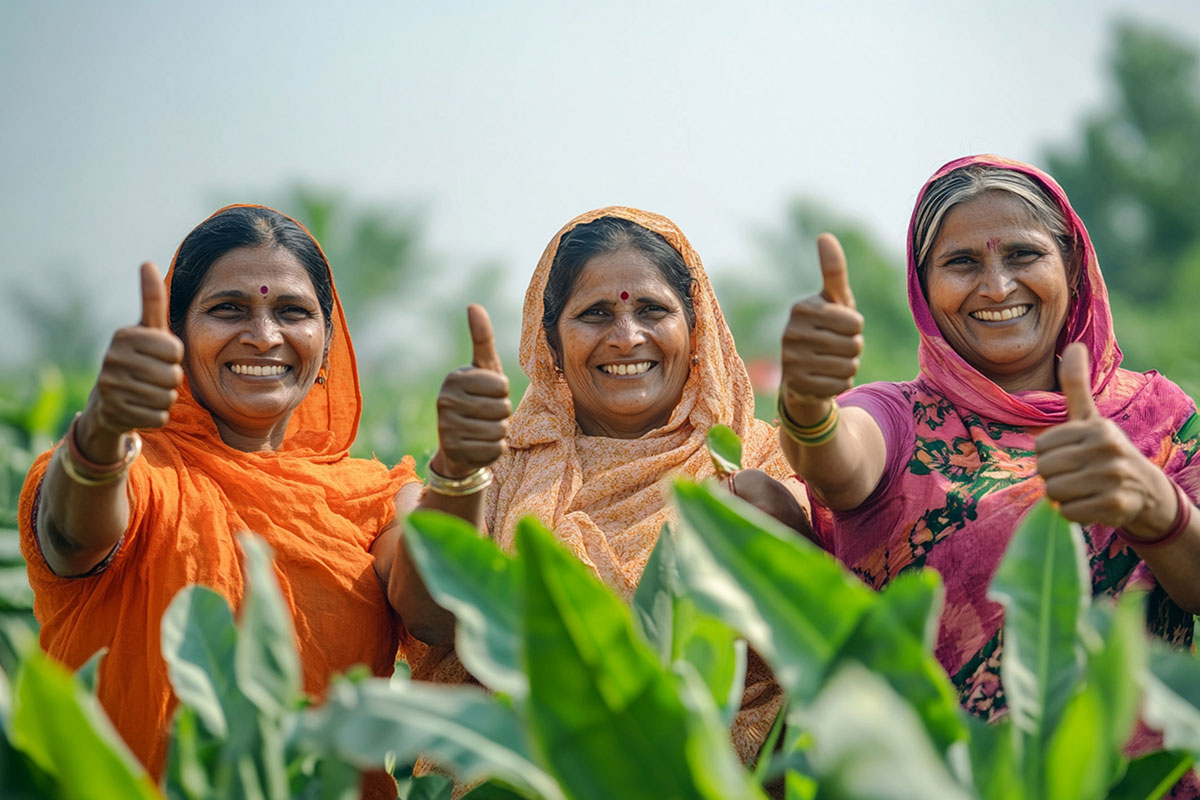
Access to safe and reliable mobility is fundamental to women’s empowerment. Yet, women mobility in rural India remains constrained by safety concerns, inadequate transport infrastructure, and deeply rooted social norms. Limited mobility not only restricts movement—it directly affects access to education, livelihoods, and healthcare.
According to UN Women, lack of safe mobility is one of the key barriers to women’s economic participation globally, with rural areas facing the highest constraints.
In this context, CSR for women's safety in rural areas presents a powerful opportunity for corporates to enable inclusive development. By designing targeted, scalable interventions, organisations can unlock access, agency, and opportunity for women.
Despite growing awareness, several structural and social barriers continue to limit women's safe mobility in villages.
Lack of reliable and safe transportation options
Safety risks in public spaces and during travel
Cultural restrictions limiting independent movement
Limited access to education and employment opportunities
Nearly 70% of rural women in India report mobility constraints linked to safety and social norms, which significantly impact workforce participation.
These challenges highlight the importance of women's safety for rural development and reinforce the need for structured rural women's safety initiatives.
Investing in mobility and safety creates a multiplier effect across development outcomes. Well-designed CSR gender equality programs can:
Improve access to education, employment, and healthcare services
Promote gender inclusion and social equity
Strengthen local economies through increased participation
Enable long-term, sustainable community development
This underscores the growing role of CSR in women's safety and transportation in villages, positioning corporates as key enablers of inclusive growth.
To drive measurable impact, companies must adopt structured CSR strategies for women's empowerment and mobility in rural India. The following interventions are critical:
Introduce community-based transport systems
Promote rural transport solutions for women, such as e-rickshaws and shared mobility
These initiatives directly improve women's mobility in rural India while addressing accessibility and affordability gaps.
Install street lighting in vulnerable areas
Develop safe public spaces and secure routes to schools and workplaces
Such efforts strengthen Corporate Social Responsibility in promoting women's safety and enhancing everyday mobility.
Conduct women safety awareness programs
Implement community campaigns promoting gender sensitivity and inclusivity
These initiatives support CSR for women empowerment in rural areas by addressing underlying social norms.
Introduce safety applications and emergency helplines
Enable GPS tracking for community transport systems
These innovations demonstrate how corporates can support safe mobility for rural women through scalable, tech-enabled solutions.
Support women-led transport enterprises
Enhance improving women access to opportunities in rural areas through mobility
Such models strengthen CSR for women's empowerment in rural areas while driving economic independence.
Effective implementation of CSR for women's safety in rural areas requires a collaborative approach:
NGOs for grassroots execution and community engagement
Government bodies for policy alignment and scalability
Local communities for ownership and sustainability
Partnering with organisations such as SoulAce can further strengthen program design, implementation, and impact measurement.
These partnerships demonstrate how CSR can improve the safety and mobility of women in rural areas in a sustainable manner.
Ensuring effectiveness and accountability requires organisations to adopt robust, outcome-driven evaluation frameworks. Tracking the right indicators is critical to assessing the success of interventions and enabling continuous improvement. Key metrics include:
Increase in safe mobility for women in villages reflected through higher usage of transport and improved accessibility
Reduction in safety-related incidents during travel, indicating enhanced security and infrastructure effectiveness
Growth in women’s participation in education and employment, demonstrating improved access to opportunities
In addition, qualitative indicators such as perception of safety, community confidence, and behavioural shifts provide deeper insights into long-term impact.Together, these metrics help validate rural women safety initiatives strengthen program design, and ensure that CSR investments deliver measurable and sustainable outcomes.
While the potential impact is significant, companies must address key challenges:
Cultural resistance and deeply embedded social norms
Infrastructure limitations in remote areas
Need for sustained, long-term engagement
Addressing these factors is essential to maximise outcomes for women's safety in rural areas.
Improving mobility is not just about transportation—it is about freedom, dignity, and access to opportunity. By investing in CSR gender equality programs, organisations can create safer environments and unlock pathways to women’s empowerment.
Understanding the importance of women's safety for rural development enables corporates to design scalable, high-impact interventions.
Ultimately, strengthening women's mobility in rural India through focused CSR efforts can transform not only individual lives but entire communities—driving inclusive and sustainable growth at the grassroots level.


