- Home >
- Our Ideas

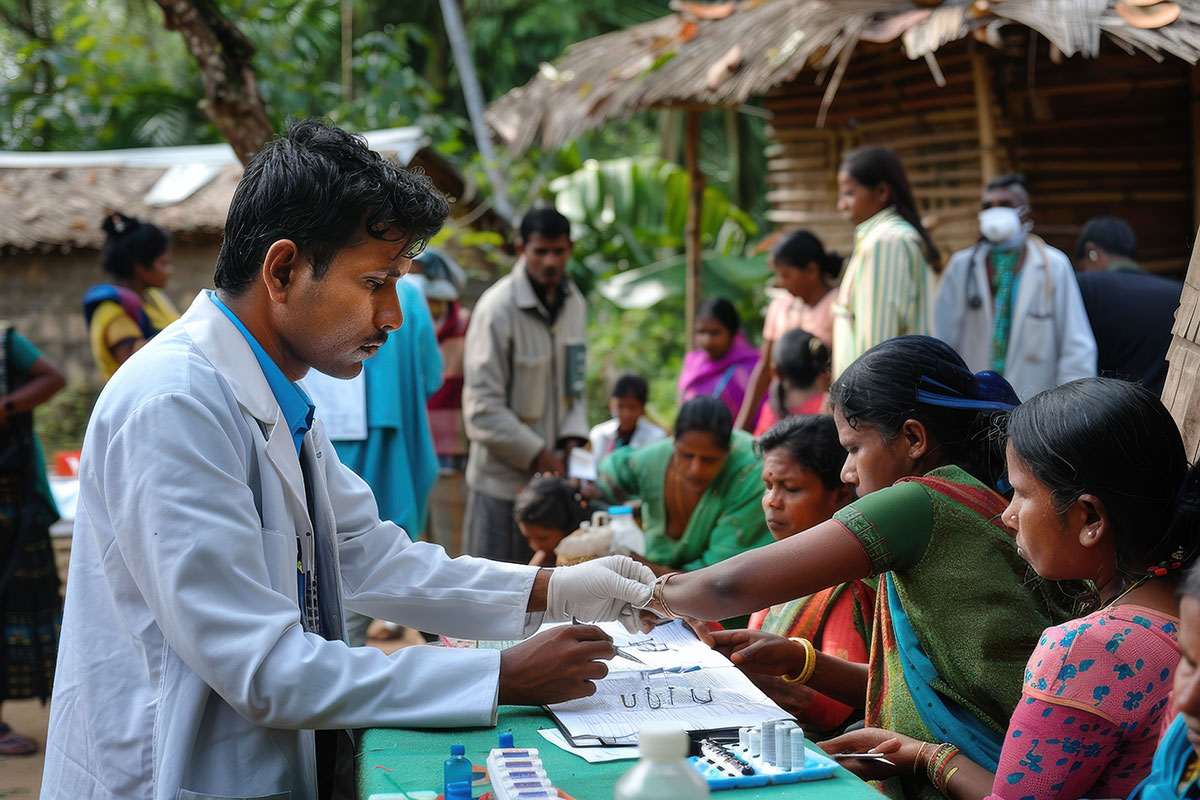
The growing burden of non-communicable diseases (NCDs) in rural India has emerged as a critical public health and development challenge. According to the World Health Organization, non-communicable diseases account for nearly 63% of all deaths in India, with an increasing incidence in rural populations.
Rising cases of diabetes, cardiovascular diseases, and cancer are being driven by changing lifestyles, limited awareness, and inadequate access to healthcare services.
In this context, CSR in healthcare presents a significant opportunity for corporates to create long-term impact. Through well-structured CSR initiatives in rural healthcare, organisations can bridge systemic gaps and contribute to sustainable health outcomes.
Despite ongoing improvements, rural healthcare infrastructure in India continues to face structural challenges:
Limited access to hospitals and specialist care
Low awareness regarding early symptoms and preventive practices
Financial constraints affecting diagnosis and treatment
Under-resourced primary healthcare systems
India’s rural doctor-to-patient ratio remains critically low, with estimates indicating one doctor serving over 10,000 individuals in many regions.
These gaps underscore the urgent need to strengthen the CSR role in public health interventions , particularly through scalable and preventive models. Strengthening rural healthcare CSR programs is essential to improving accessibility and equity.
Addressing NCDs requires a shift from treatment-centric approaches to prevention-led strategies. The importance of preventive healthcare through CSR programs is evident for several reasons:
NCDs significantly impact workforce productivity and household incomes
Preventive care and early detection can reduce long-term healthcare costs by up to 40%
CSR initiatives can complement large-scale government programs such as Ayushman Bharat
This highlights the expanding role of CSR in NCD prevention and awareness, positioning corporates as critical contributors to public health outcomes.
To create meaningful and measurable impact, organisations must adopt structured CSR strategies for rural healthcare development in India. The following approaches are essential:
Implement rural health awareness programs across communities and schools
Promote lifestyle modifications such as balanced nutrition, physical activity, and tobacco cessation
These initiatives play a vital role in advancing NCD prevention in rural India by encouraging informed decision-making.
Conduct regular health camps and deploy mobile medical units
Focus on early diagnosis of high-risk conditions such as hypertension and diabetes
Early detection improves treatment outcomes and strengthens CSR health programs in India.
Equip rural health centres with essential diagnostic infrastructure
Build capacity of frontline workers including ASHA and ANM staff
This approach enables corporate social responsibility in healthcare to drive systemic, long-term improvements.
Support wellness, fitness, and nutrition-based interventions
Enable community-led health initiatives
These preventive healthcare CSR initiatives address root causes and enhance long-term sustainability.
Effective implementation of CSR initiatives in rural healthcare depends on strong multi-stakeholder partnerships:
NGOs for grassroots outreach and execution
Hospitals and medical institutions for technical expertise
Government bodies for scalability and alignment
Collaborating with experienced organisations such as SoulAce can further strengthen program design, execution, and monitoring. Such partnerships are critical to scaling CSR health programs in India and ensuring long-term impact.
To maximise effectiveness, organisations must prioritise outcome-driven evaluation frameworks. Key focus areas include:
Monitoring screening coverage and early diagnosis rates
Assessing improvements in community awareness and behaviour
Building sustainable, community-owned healthcare models
Aligning with global benchmarks such as the United Nations Sustainable Development Goals strengthens reporting credibility and accountability.
Robust measurement systems reinforce the importance of preventive healthcare through CSR programs and ensure long-term success.
The rising burden of NCDs requires a sustained, strategic response. Understanding how CSR can help fight non-communicable diseases in rural India is essential for designing impactful interventions.
By investing in awareness, prevention, early detection, and partnerships, organisations can redefine how corporates can improve rural healthcare through CSR.
Adopting focused, scalable CSR strategies for rural healthcare development in India will not only reduce the disease burden but also strengthen community resilience and drive inclusive growth.


